Barcelona packs more museums into a walkable centre than almost any city its size, and treating them as one long list is the fastest way to waste a trip. This guide sorts the best museums in Barcelona into eight themes, so you can pick the ones that match your day. Each section covers where the museum sits and which metro stop serves it, when it is open, what a ticket costs, what you will actually see inside, and the practical tips that make the visit smoother, followed by the tickets and guided tours worth booking ahead.
Hours, prices and closing days on this page were last checked in July 2026, but Barcelona museums shift schedules for exhibitions and holidays, so confirm on the official site before a special trip. One thing to know from the start: the Gaudí sights and the big-name museums sell out their timed slots days ahead in high season, so the ones you care about are worth booking before you arrive.
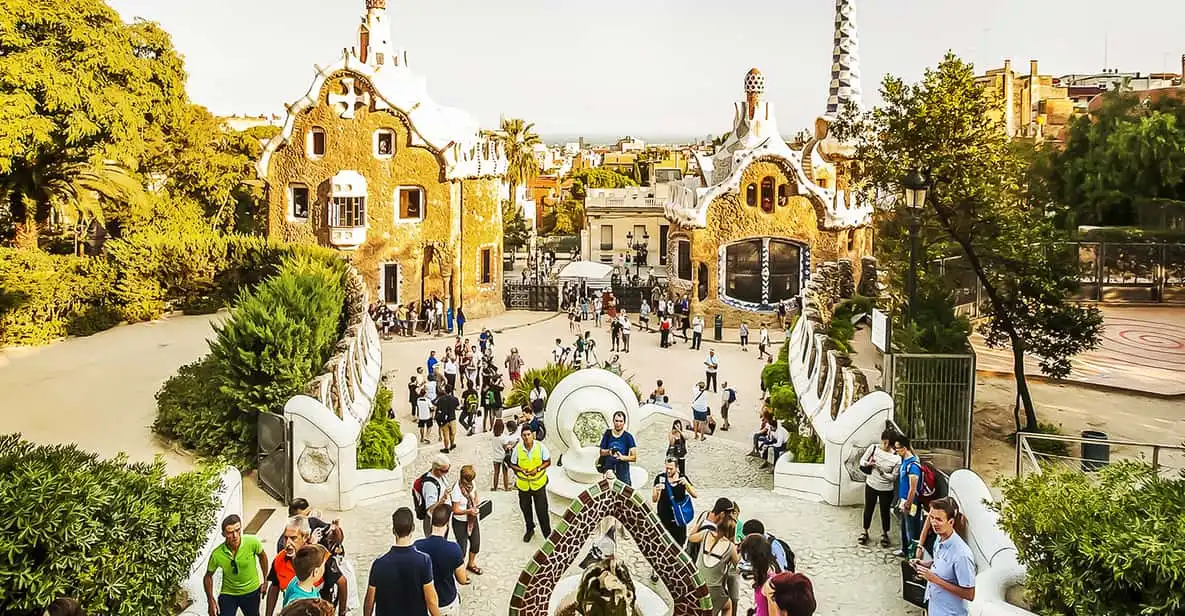
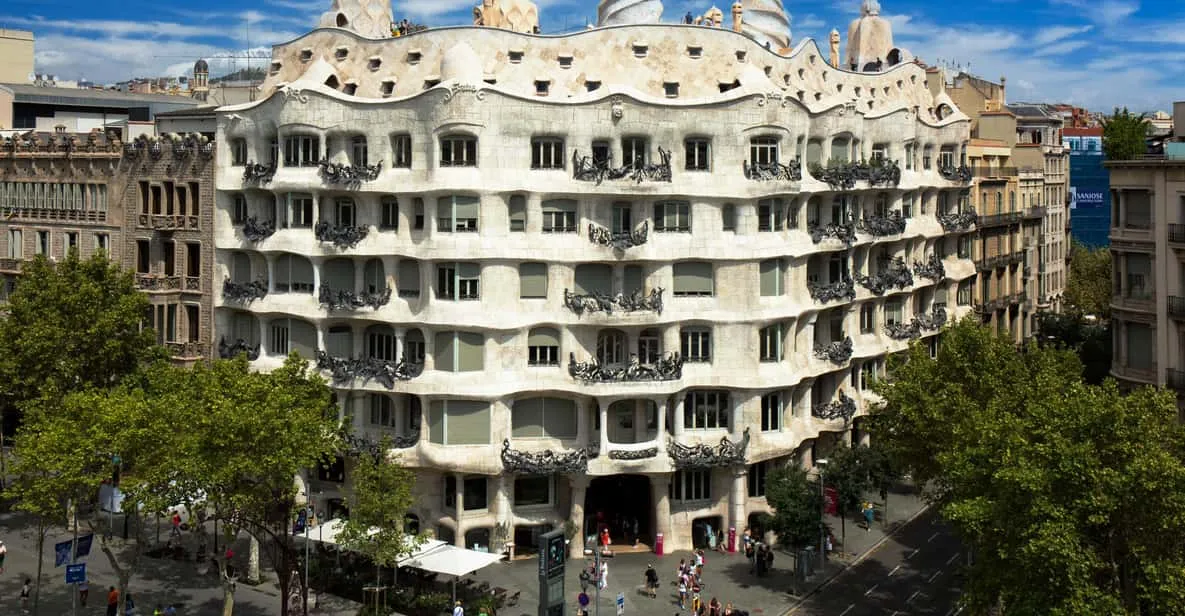
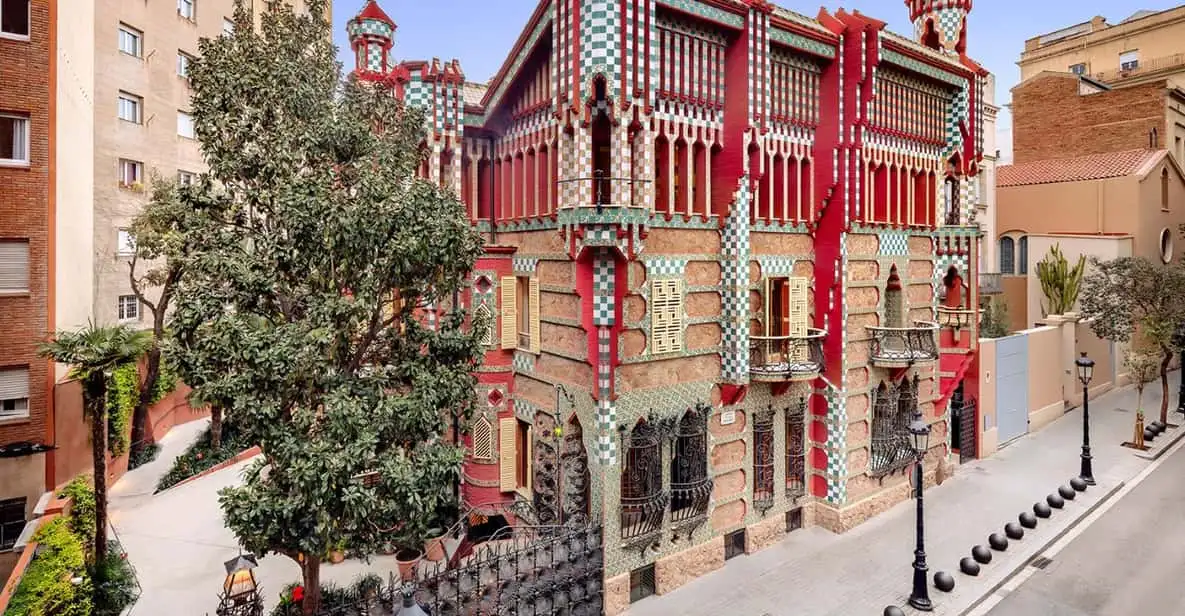
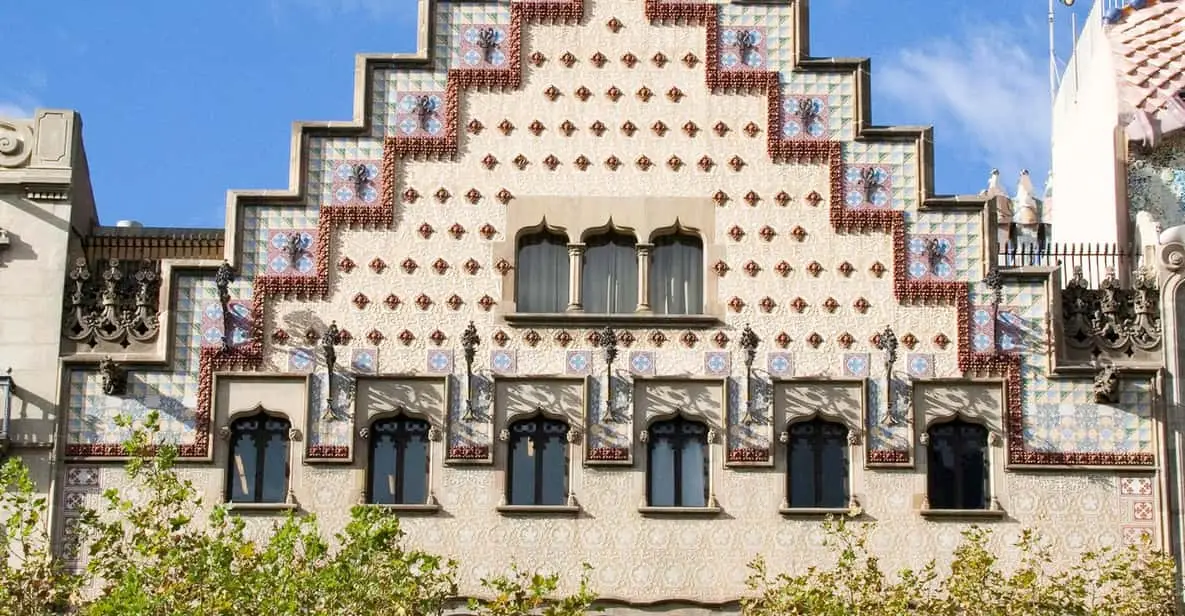
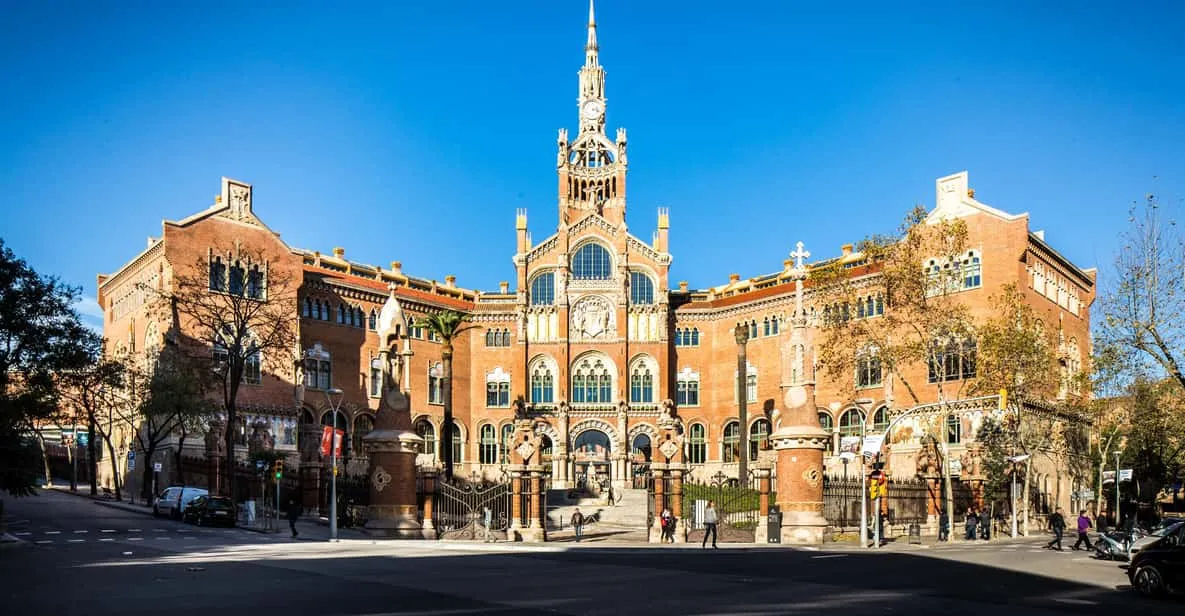
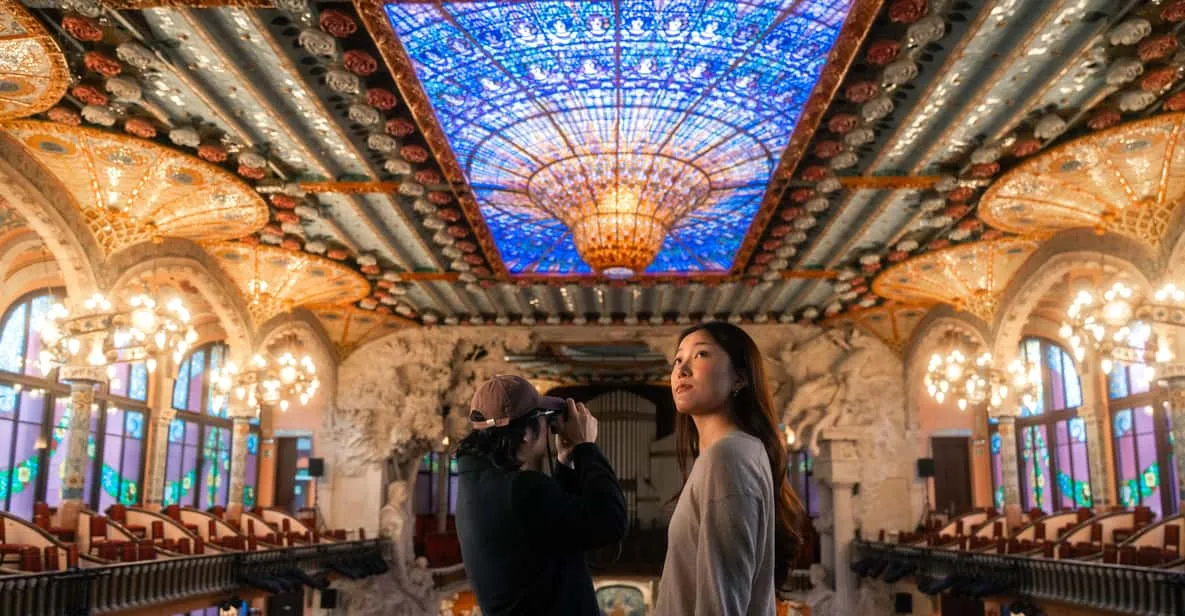
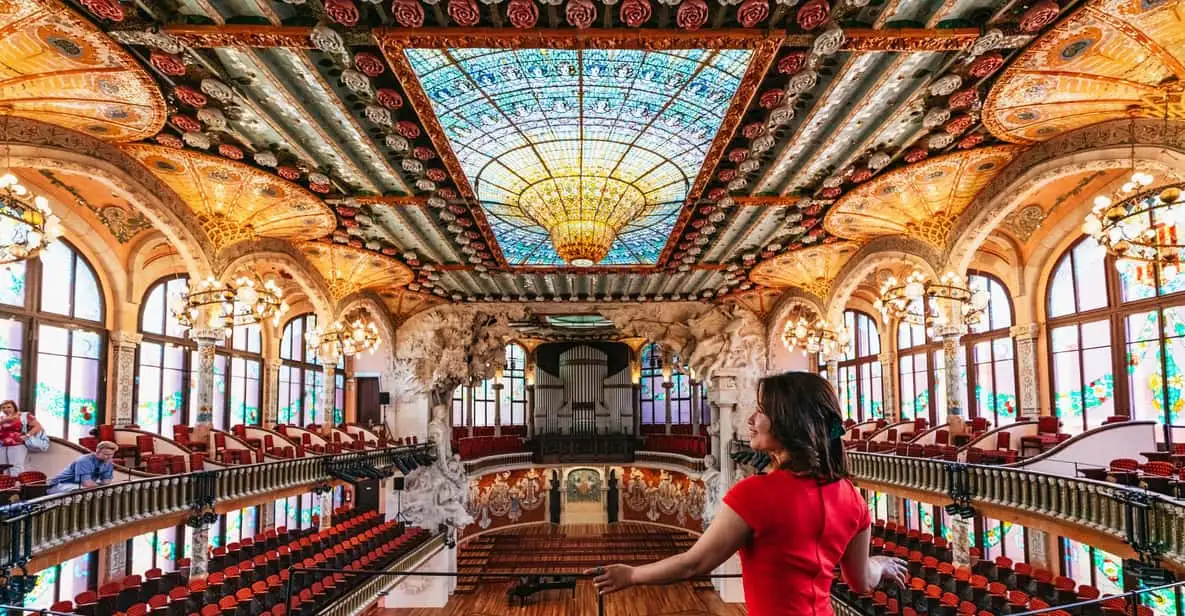
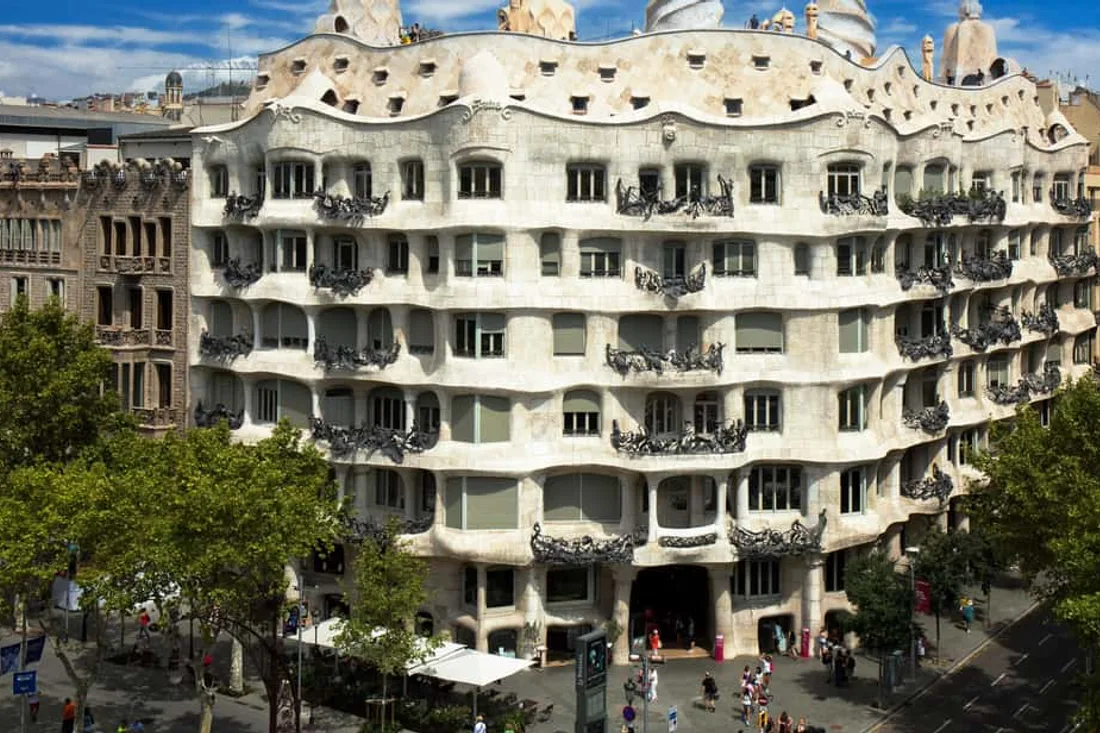
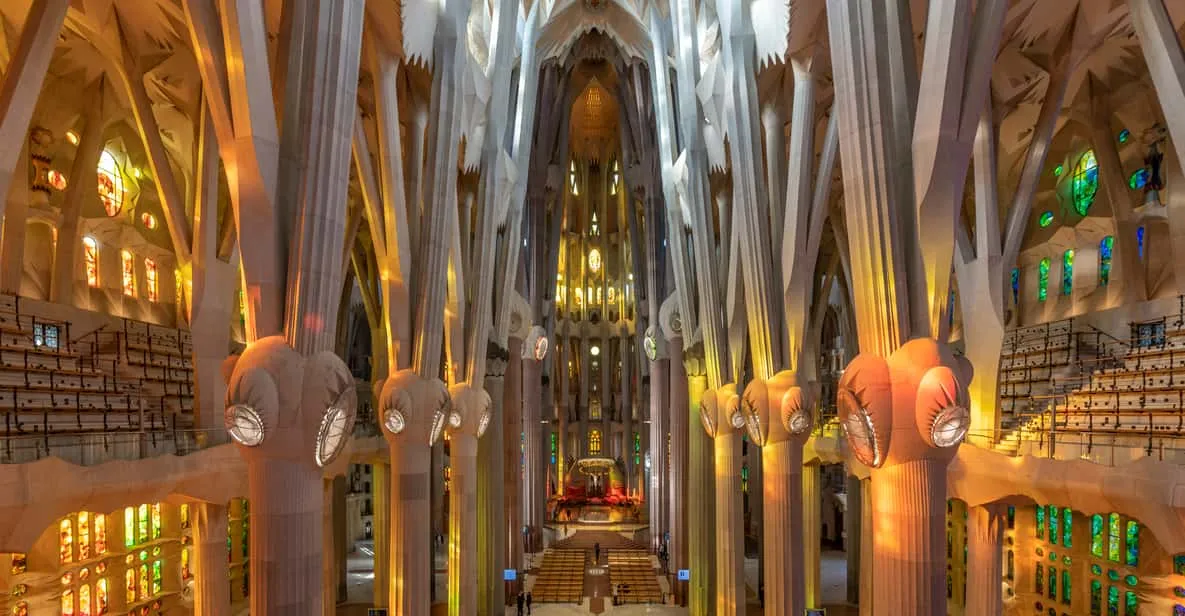
No city is more tied to one architect than Barcelona is to Antoni Gaudí, and the Modernisme movement he led left the centre studded with buildings that double as museums. This is the heart of any trip: Gaudí's Sagrada Família, La Pedrera and Park Güell draw the biggest crowds and sell out first, while the works of his contemporaries — Domènech i Montaner's Palau de la Música and Sant Pau, Puig i Cadafalch's Casa Amatller — reward anyone who looks past the headline names. These are the museums in Barcelona to book before you arrive; timed entry is the rule, not the exception.
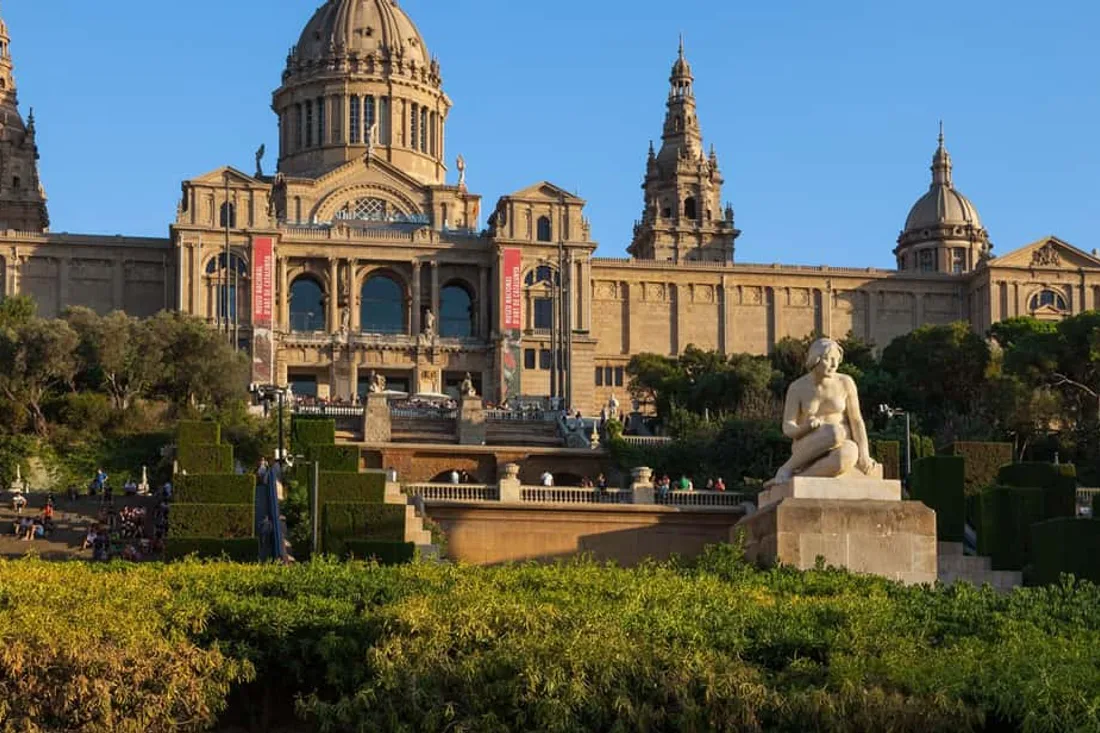
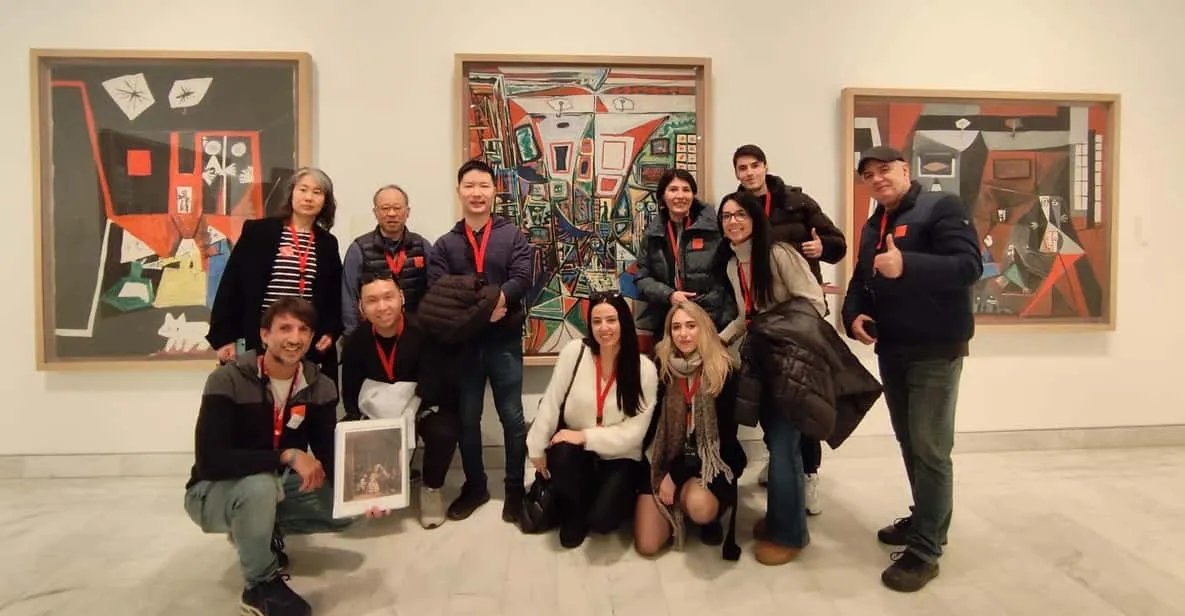
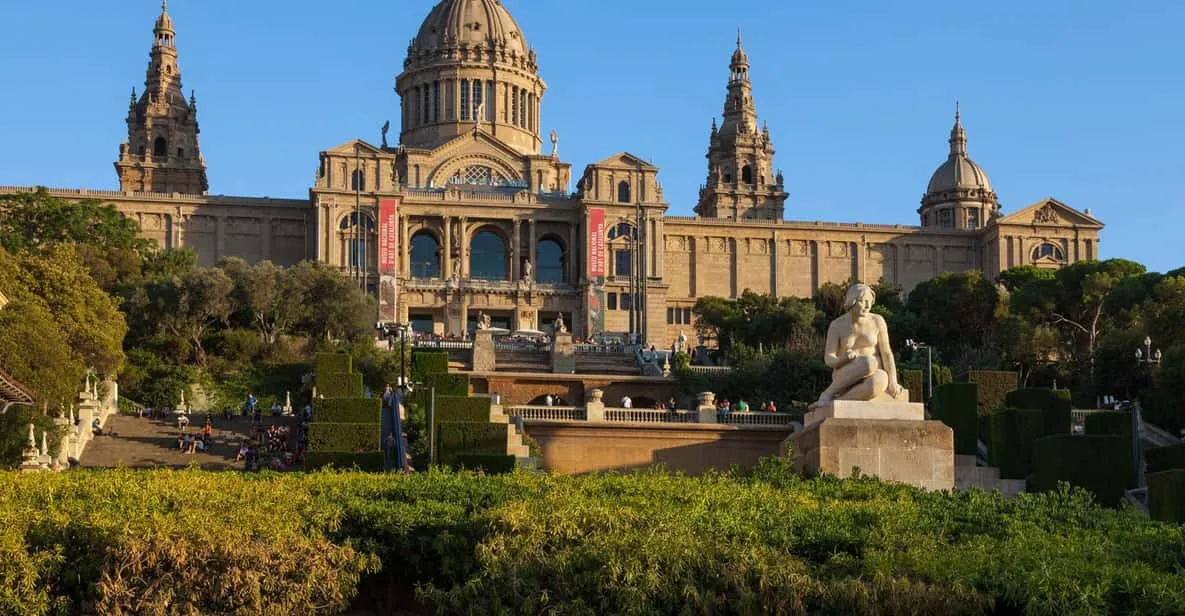
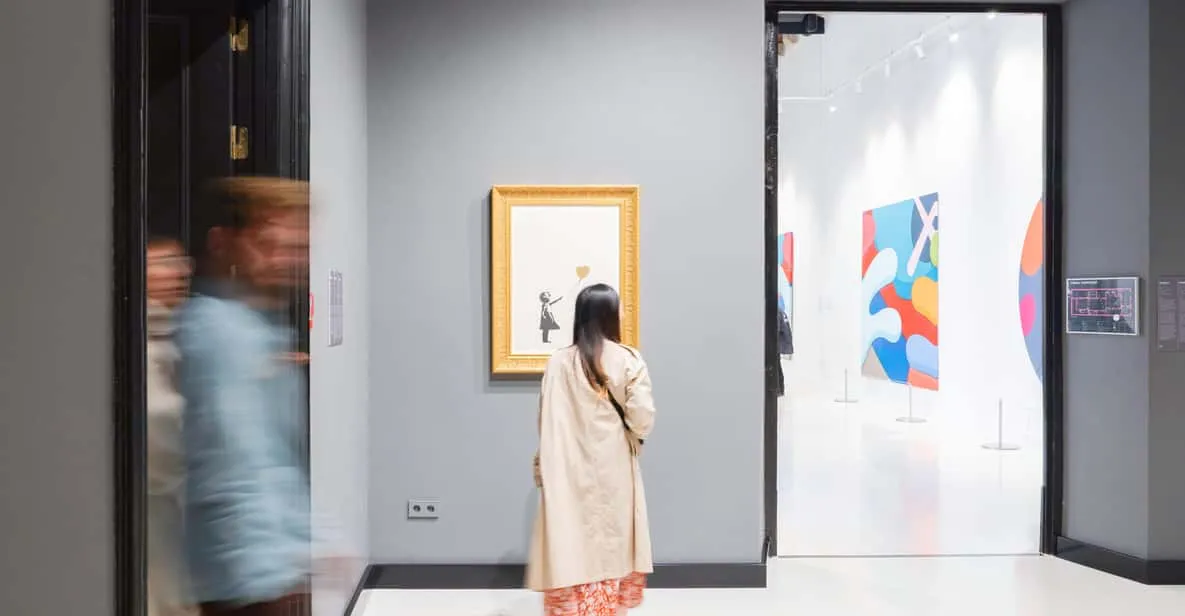
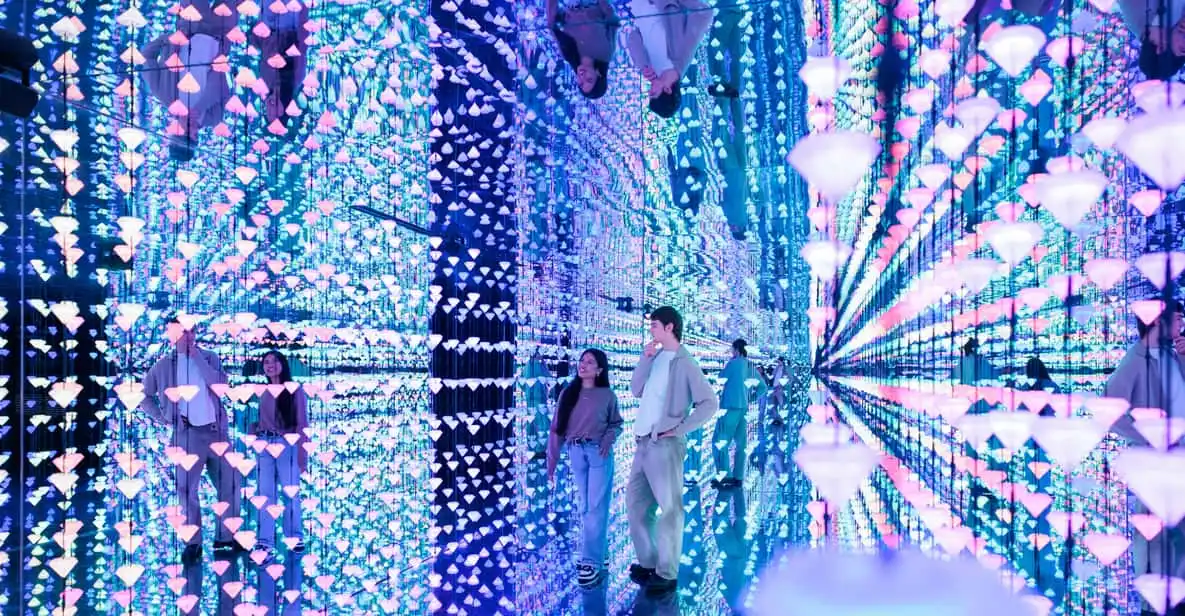
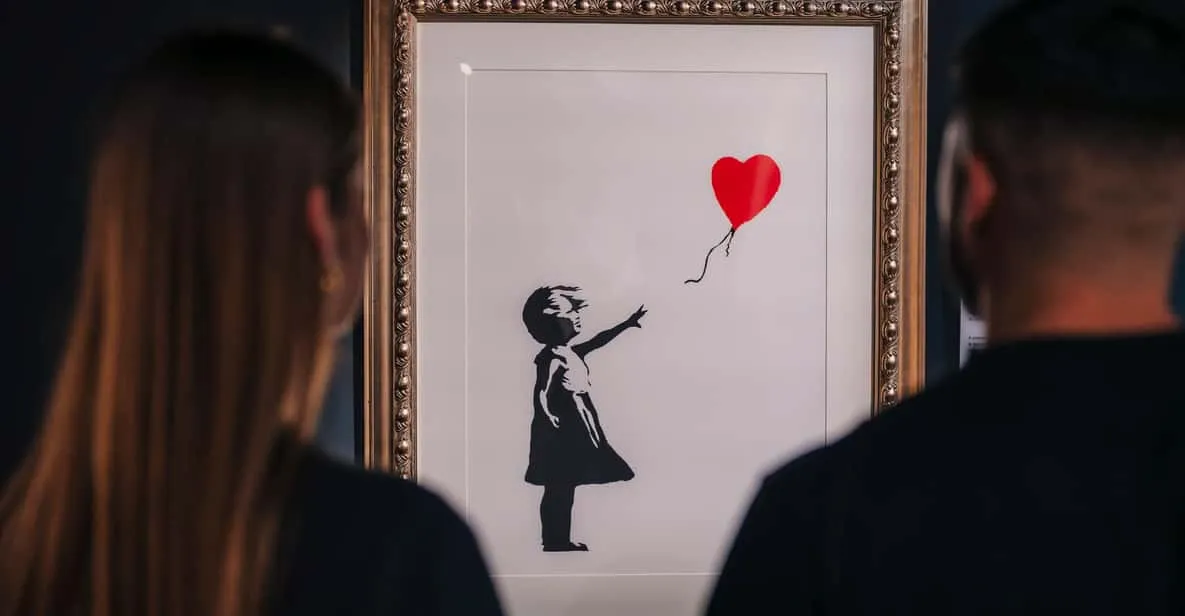
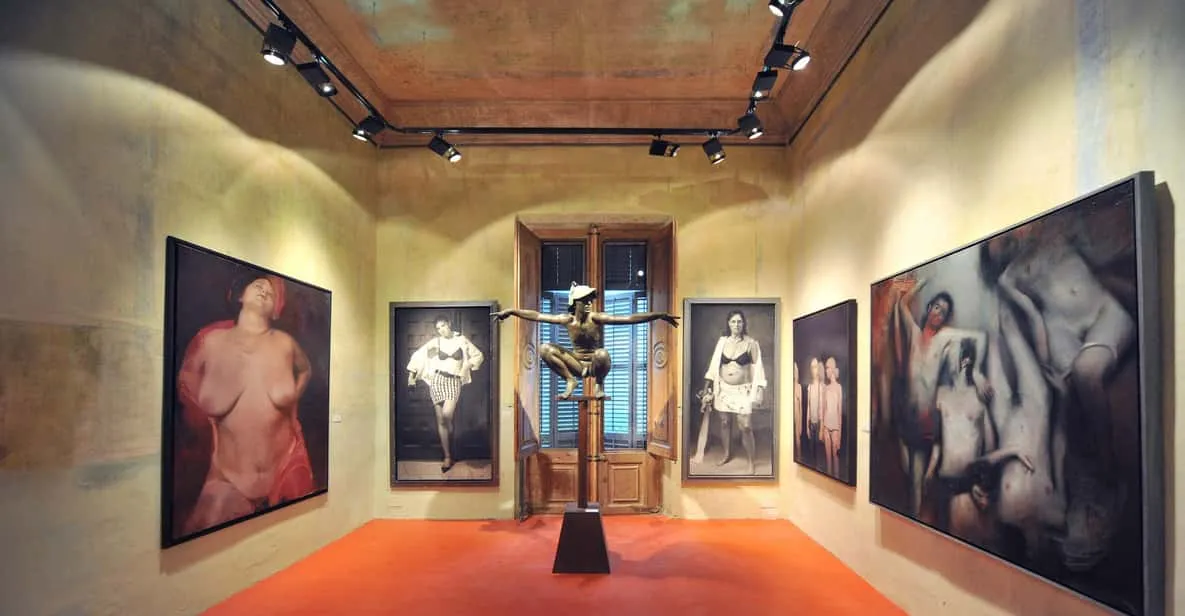
Beyond the architecture, Barcelona holds a run of world-class art museums that a Gaudí-only trip misses entirely. The Picasso Museum owns the story of the artist's youth here; the Museu Nacional d'Art de Catalunya sweeps from medieval frescoes to Catalan modern masters; and newer arrivals like the Moco Museum bring Banksy and immersive digital art to a younger crowd. Most of these are central and walkable, and several share the Articket pass, which makes them the easiest museums in Barcelona to string together in one afternoon.
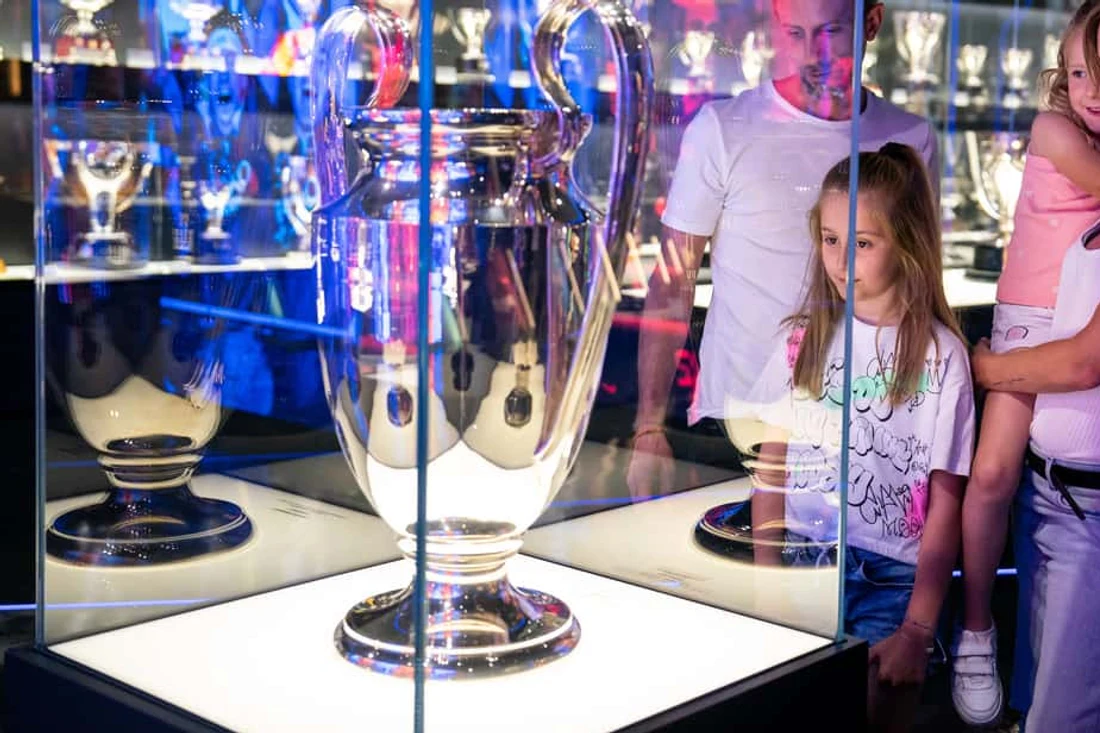
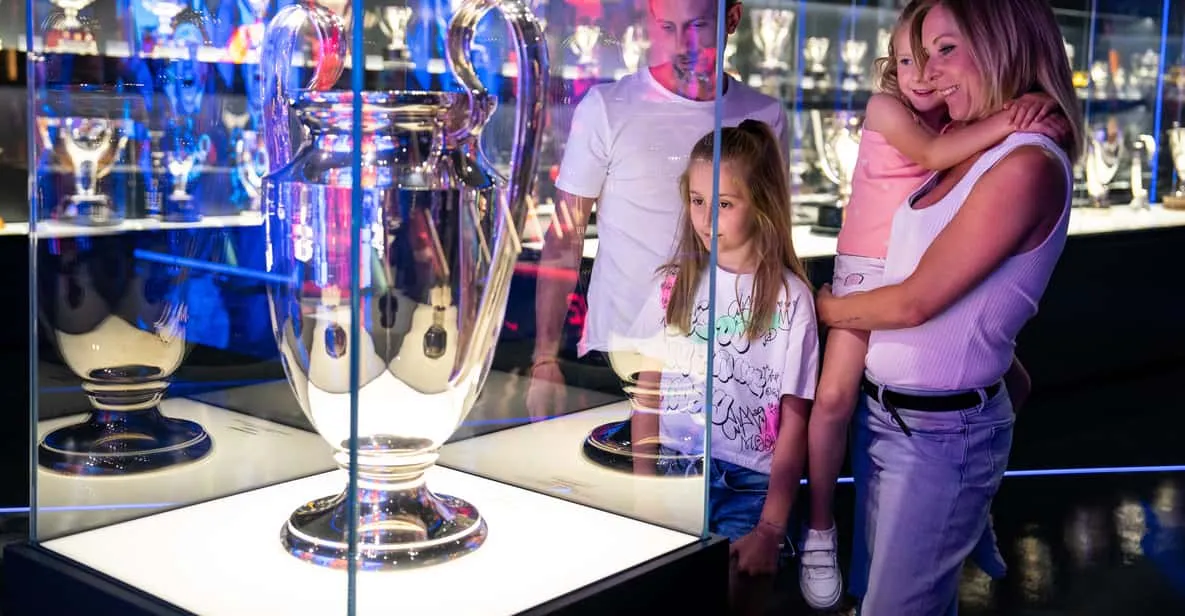
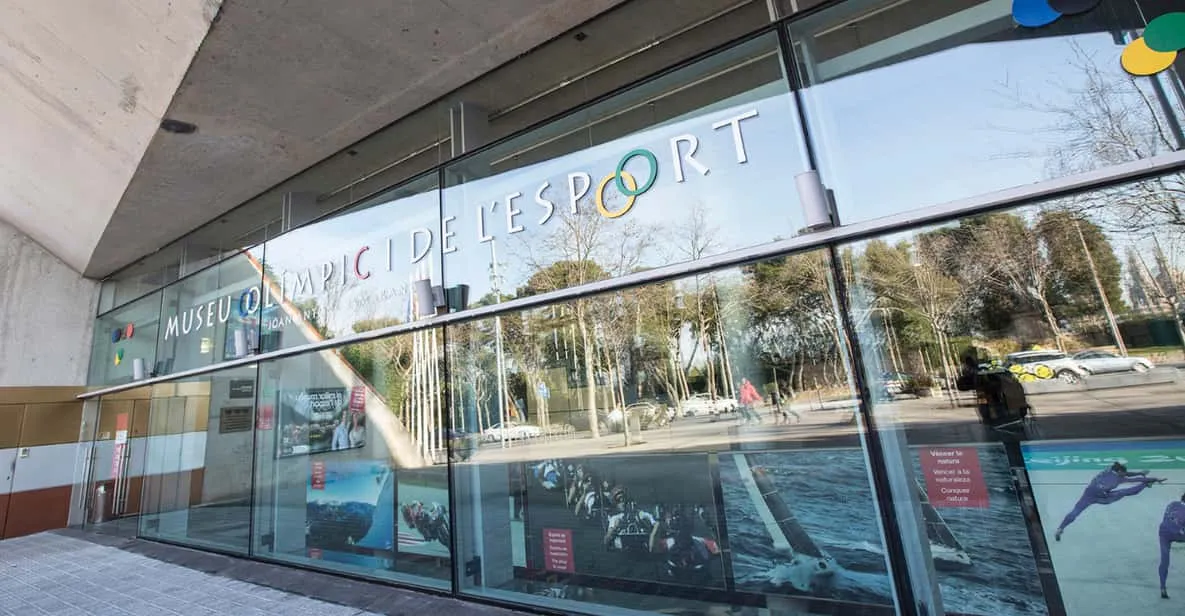
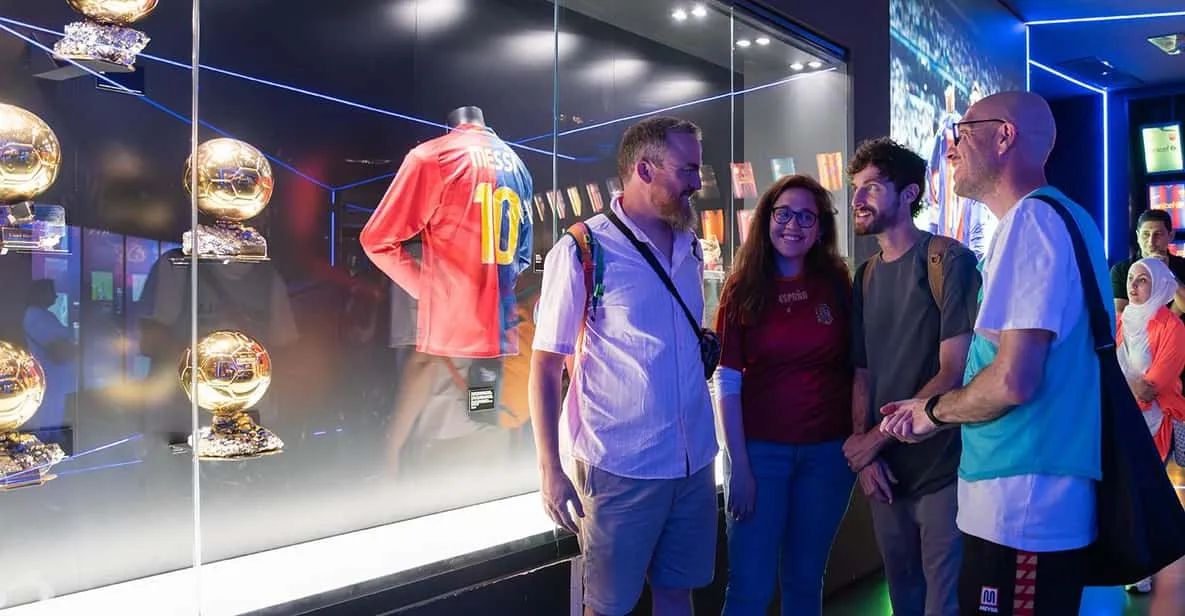
For a huge share of visitors, the museum that matters most in Barcelona is not about art at all. The FC Barcelona Museum at Camp Nou is one of the most-visited museums in the whole country, and it anchors a small cluster of sport museums that includes the Olympic collection up on Montjuïc, left over from the 1992 Games. If you or your kids follow football, this is the section to build a morning around.
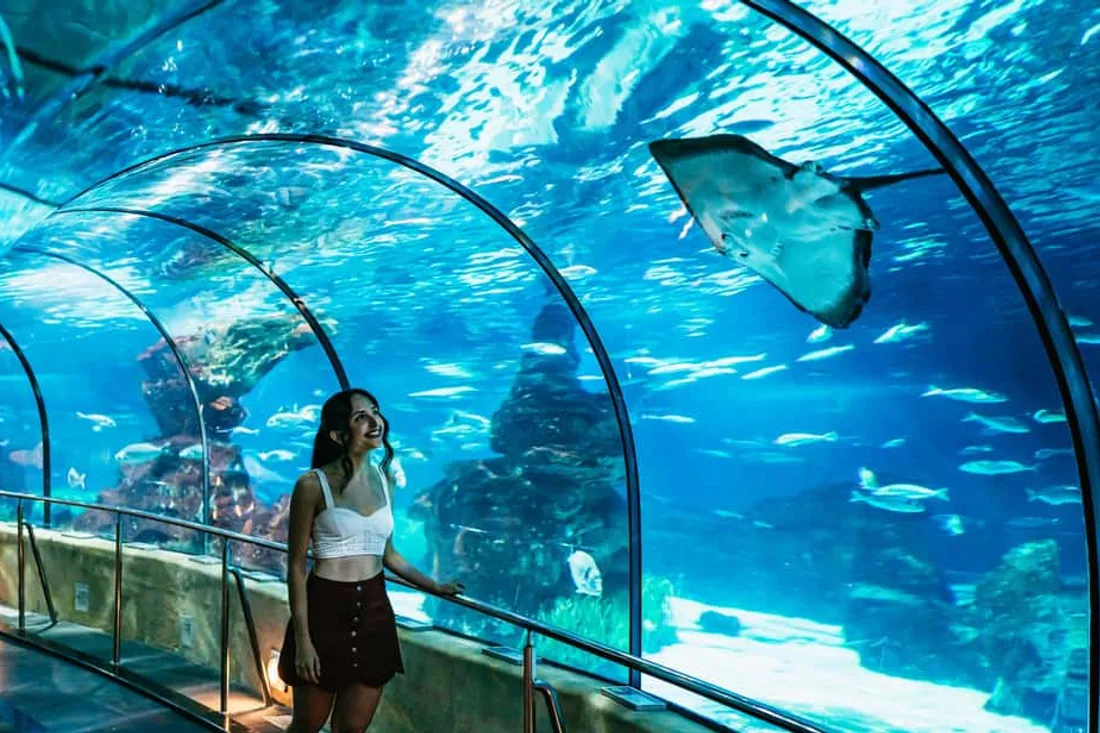
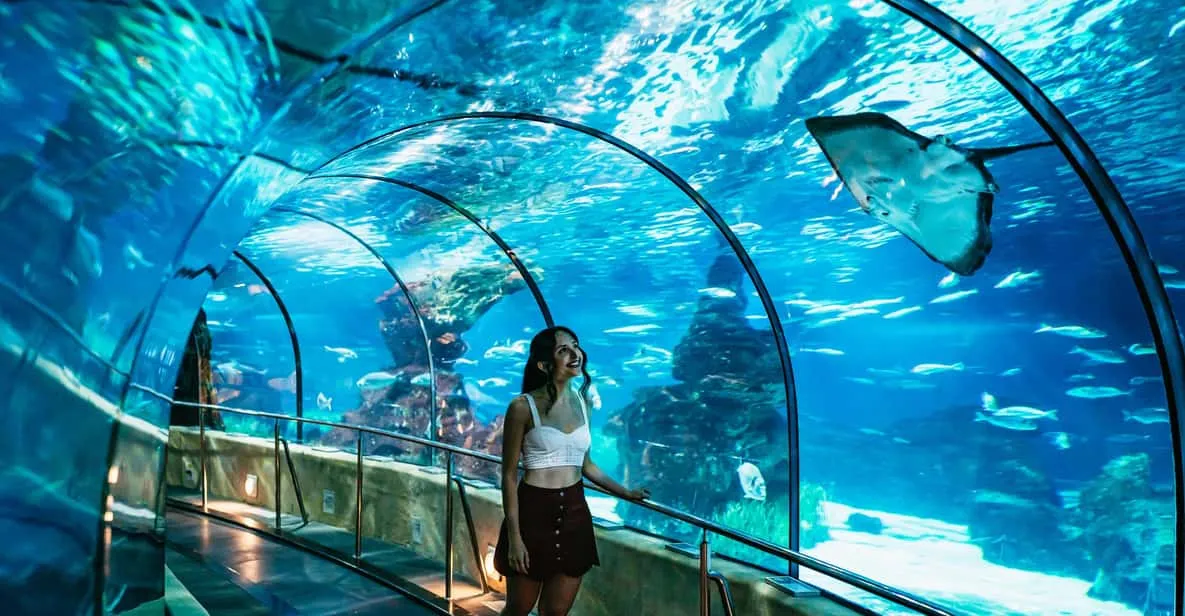
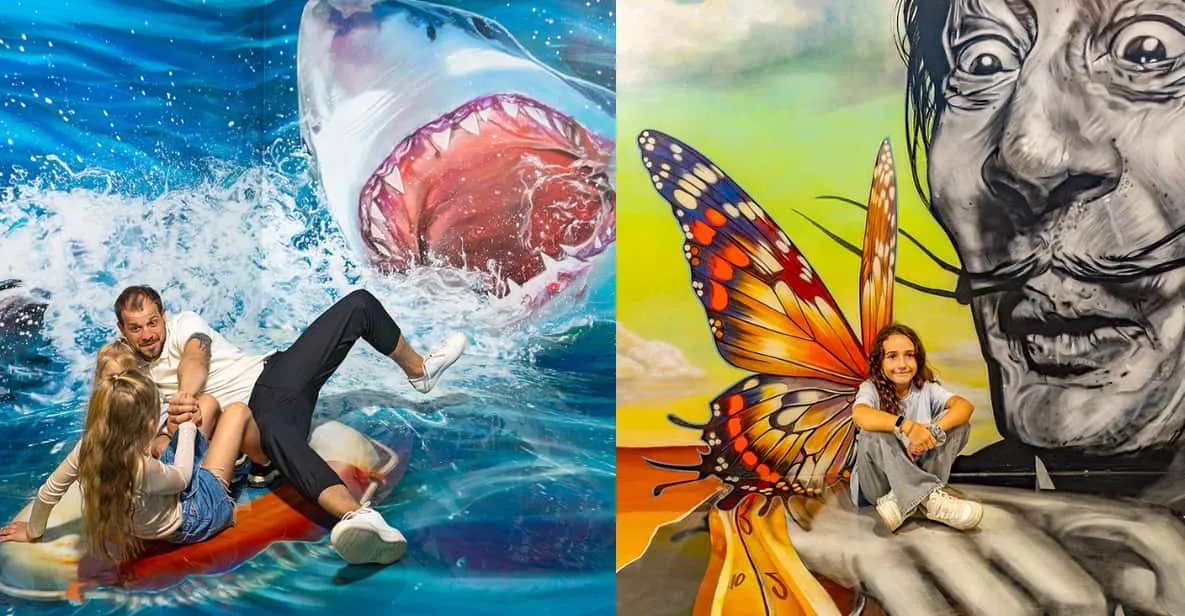
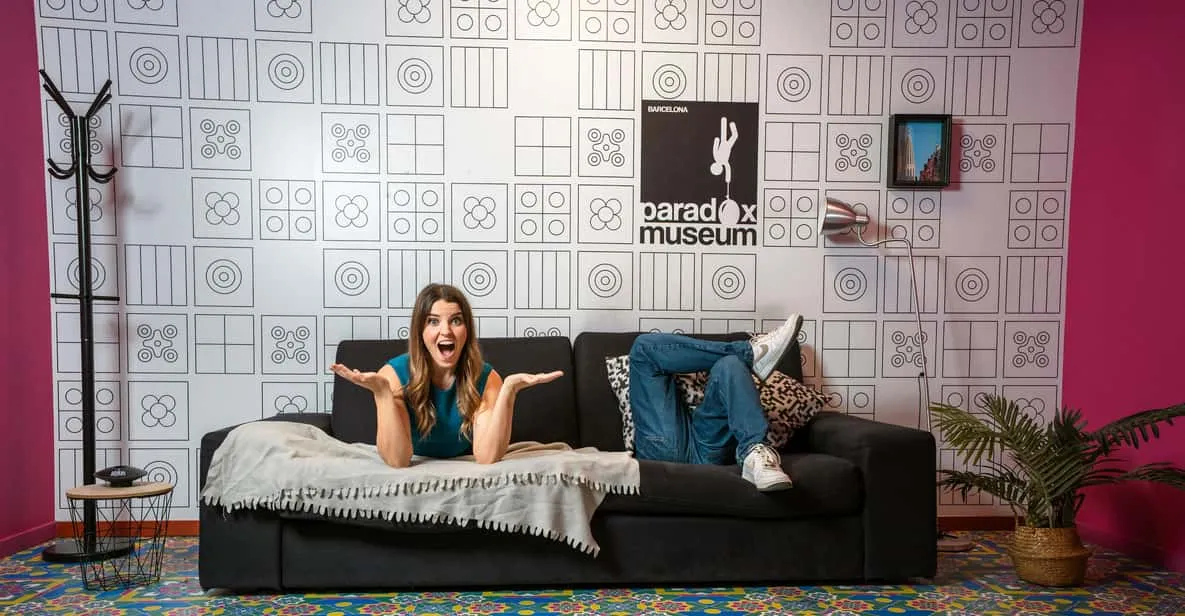
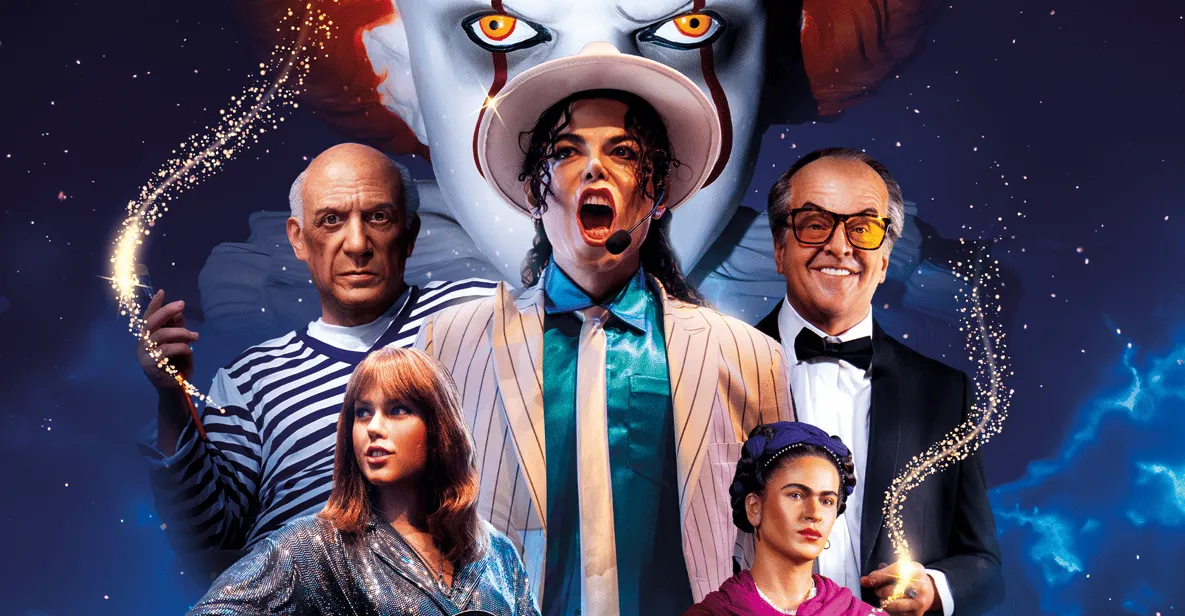
Not every museum in Barcelona is about high art, and this batch is where a rainy afternoon or a trip with kids gets easy. The Barcelona Aquarium and its shark tunnel down at Port Vell pull the biggest numbers, backed by a run of playful, photo-friendly spots: optical-illusion museums, a wax museum in a grand old bank, and a couple of genuinely offbeat collections. None of these need booking far ahead, so they make good flexible fillers between the sights that do.
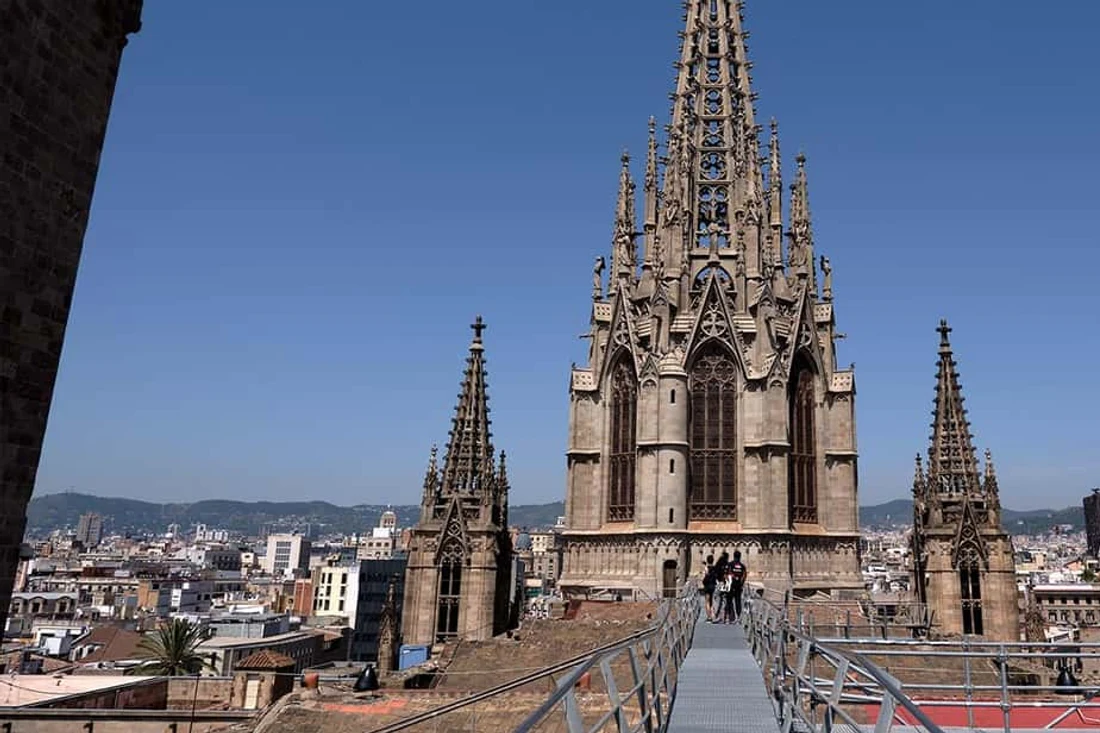
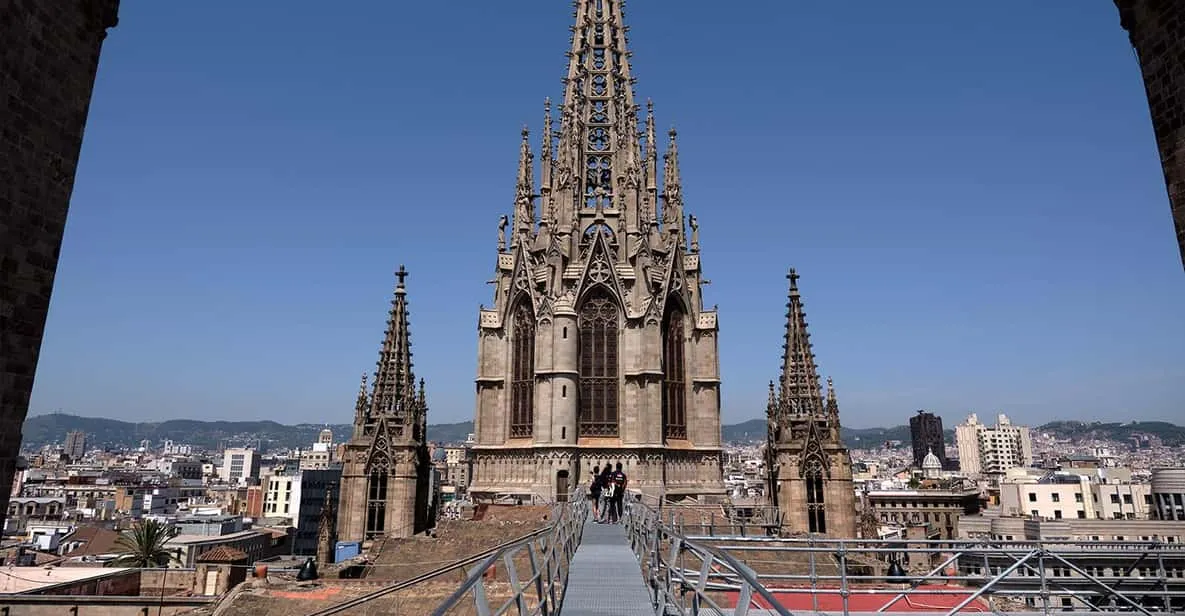
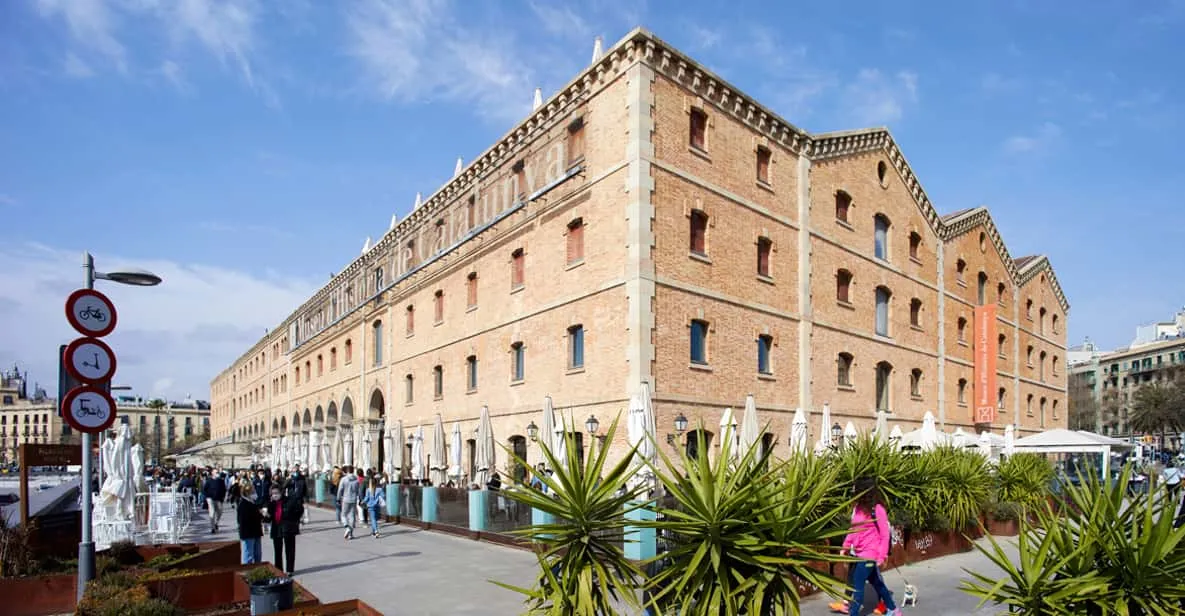
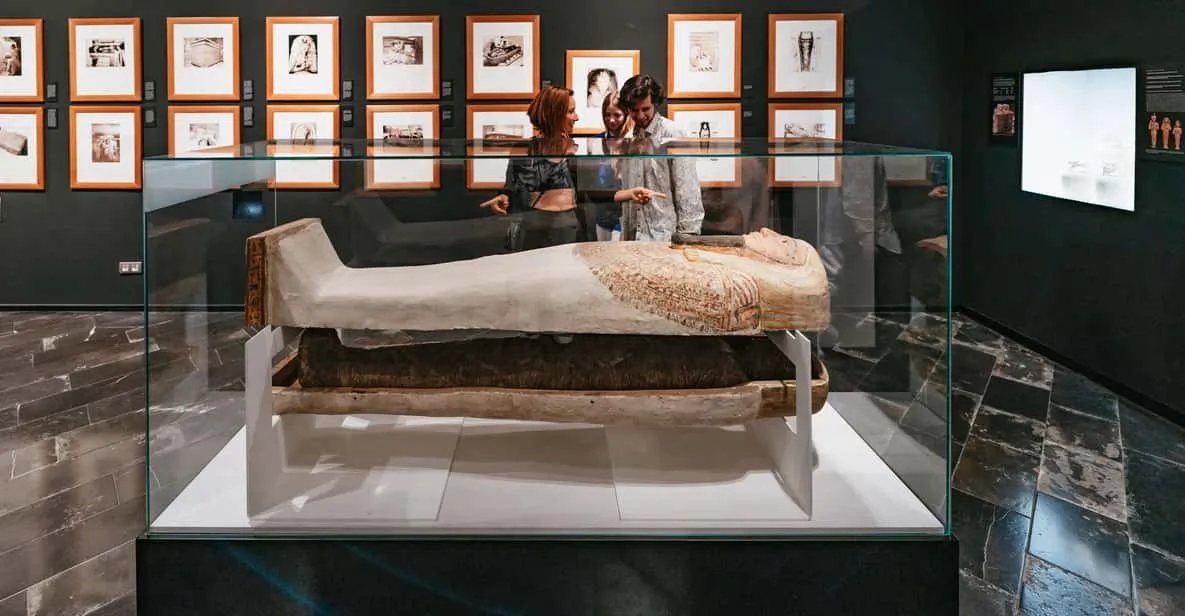
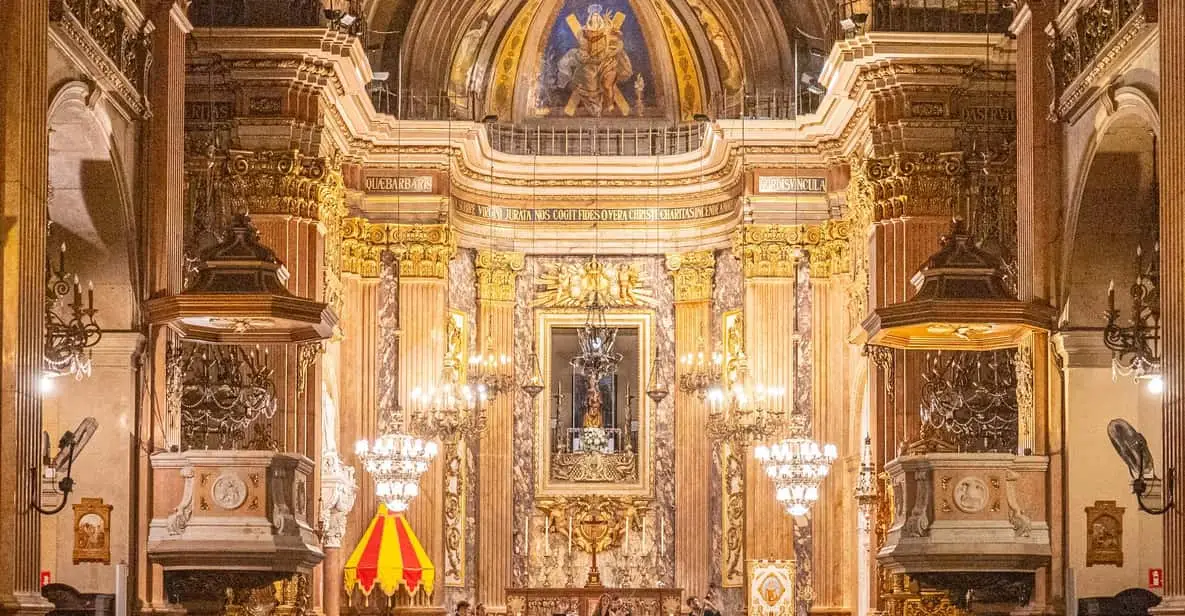
To understand Barcelona beyond Gaudí, this handful of museums and monuments tells the longer story. The Gothic Cathedral anchors the old city, the History Museum of Catalonia lays out the region from prehistory to today in a converted harbour warehouse, and a well-kept Egyptian collection near Passeig de Gràcia adds an unexpected turn. These are among the most rewarding museums in Barcelona for anyone who likes context with their sightseeing.
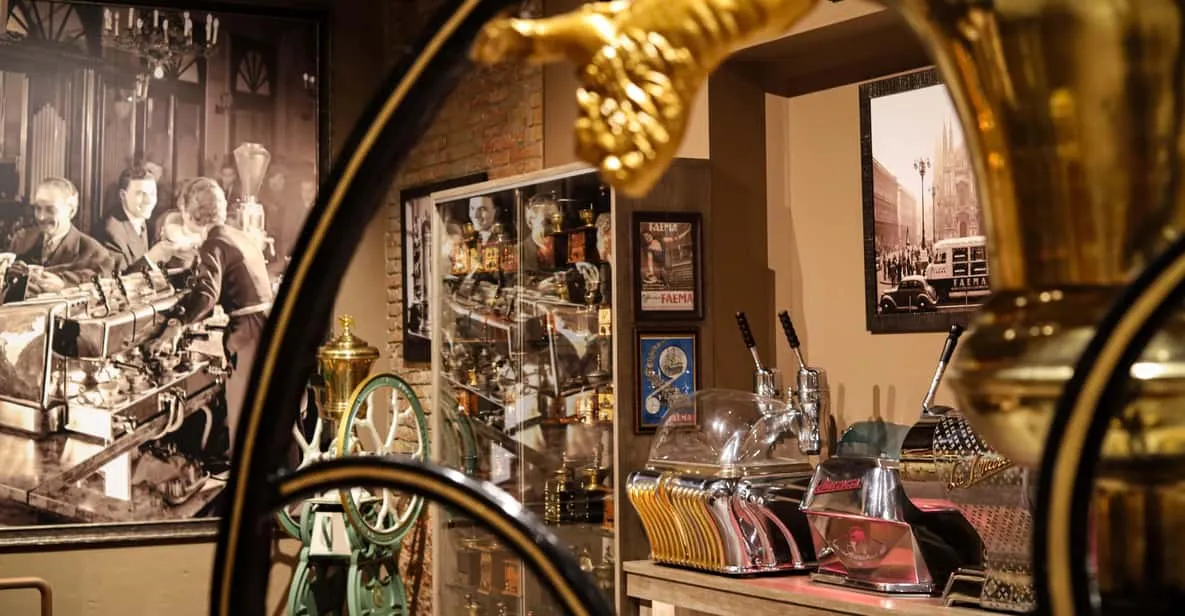
Barcelona takes its food seriously, and a couple of small, sweet museums turn that into an easy hour with a tasting at the end. The Chocolate Museum in El Born tells the story of turrón and cocoa and hands you something to eat; a tiny coffee museum does the same for the bean. Neither is a headline attraction, but both make a charming, low-effort stop between the bigger museums in Barcelona.
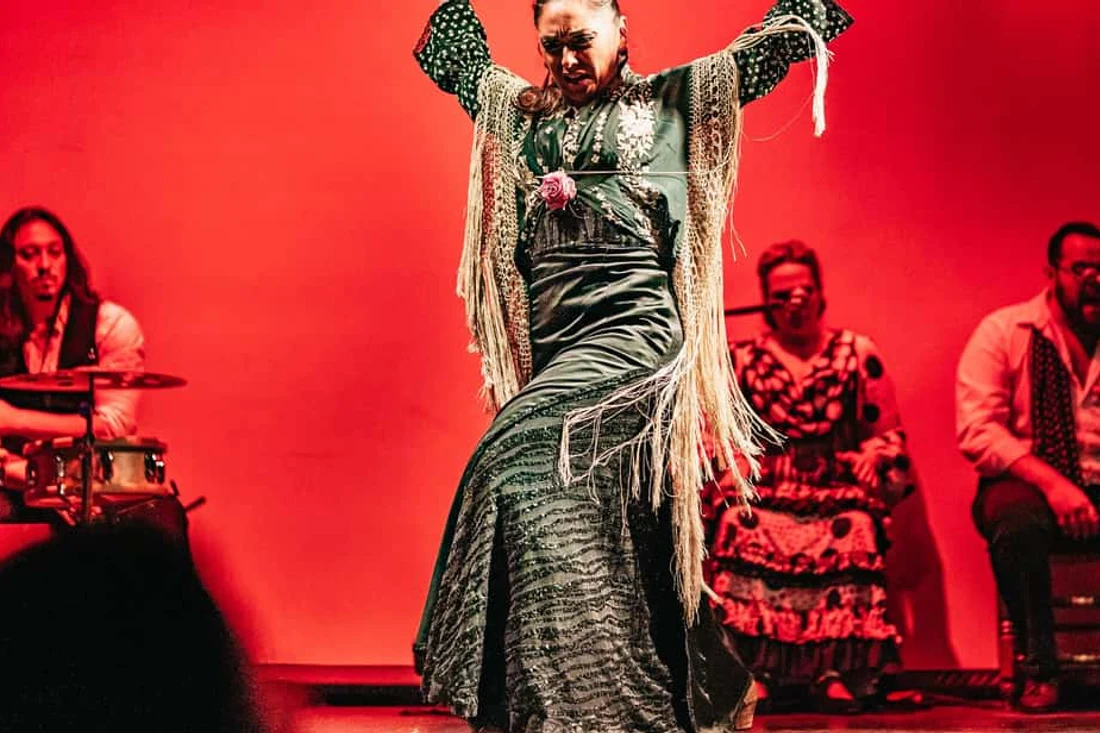
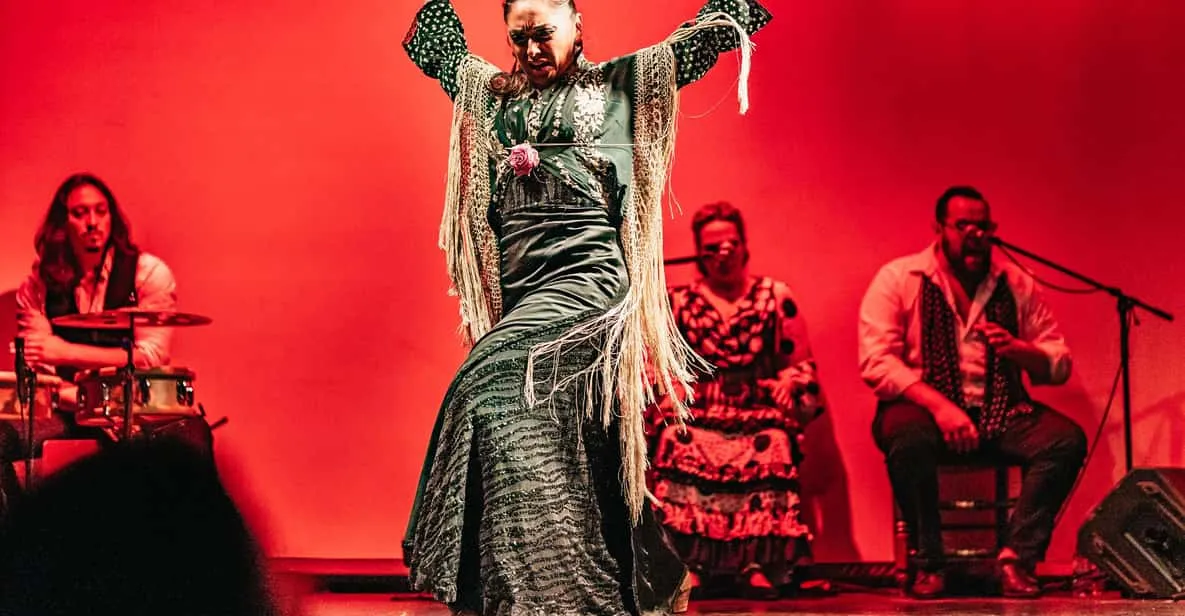
Some of Barcelona's culture is best seen on a stage rather than behind glass, and an evening show rounds out a day of museums nicely. A flamenco performance is the classic choice — the art form is Andalusian rather than Catalan, but Barcelona hosts some of the most polished shows in Spain — while a candlelit Vivaldi concert offers a quieter alternative in a historic hall. Neither is a museum, but both slot naturally into a museum-heavy trip.
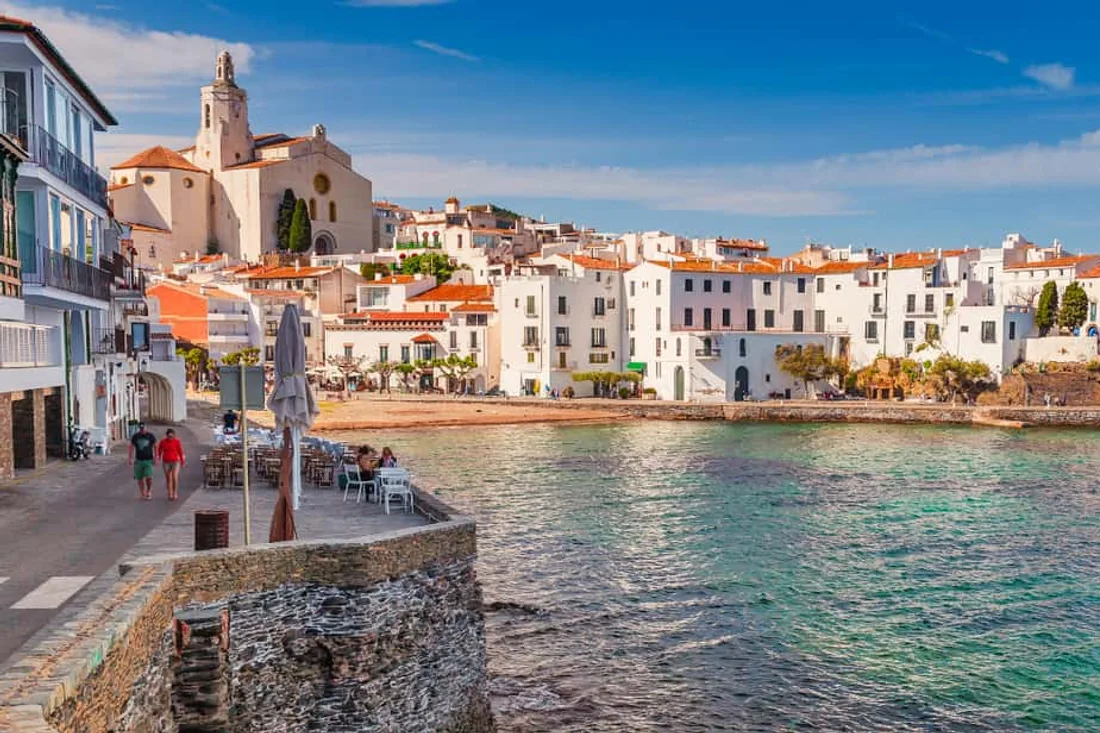
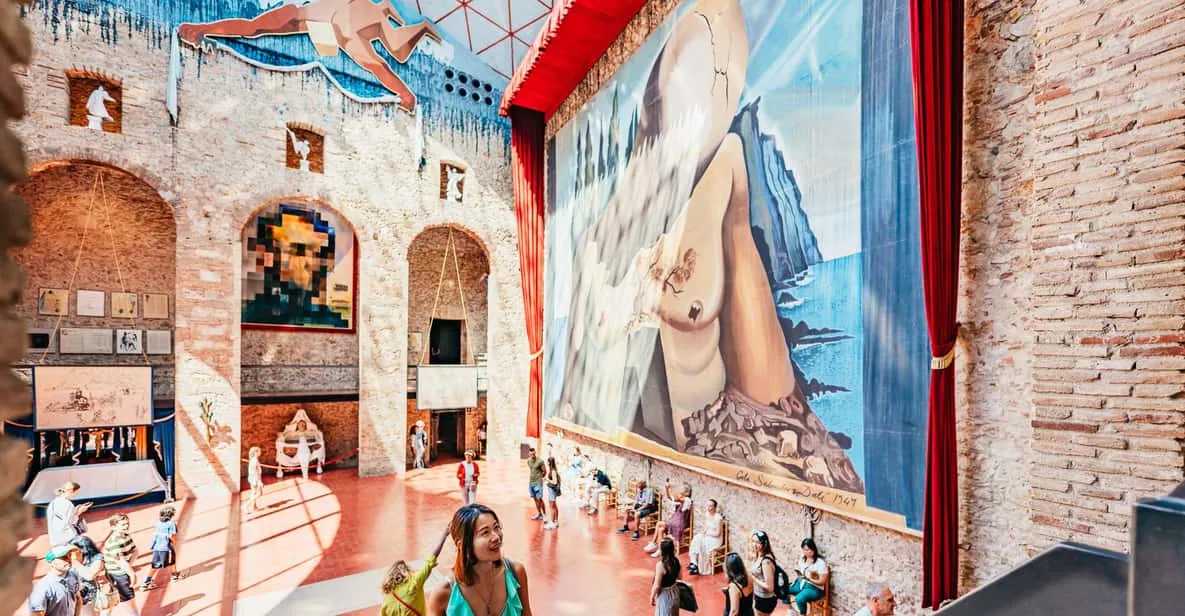
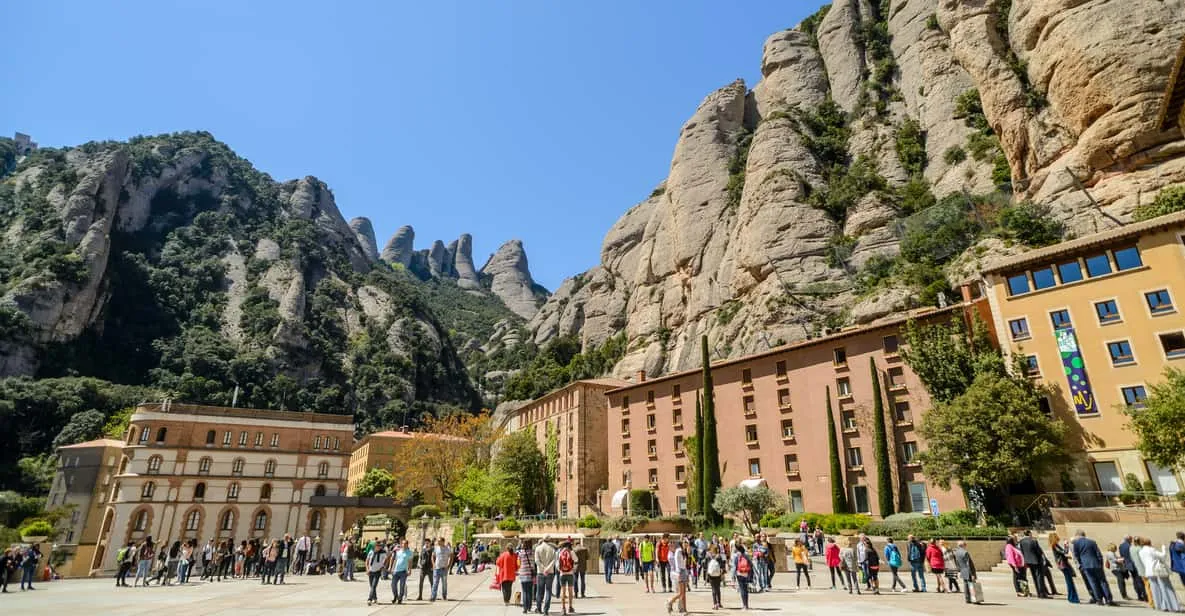
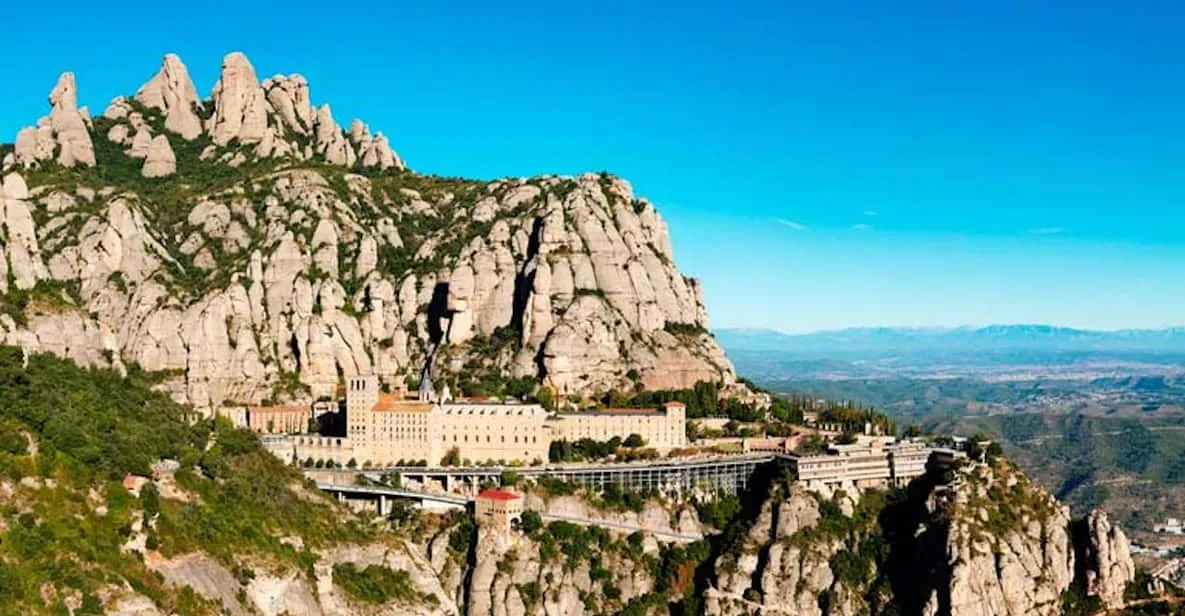
Two of Catalonia's greatest museums lie outside Barcelona, close enough to reach in a day. Salvador Dalí built his own Theatre-Museum in Figueres, an hour and a half north, and it is as strange and brilliant as the man himself; the mountain monastery of Montserrat holds a museum with Caravaggio, Picasso and Dalí beside its famous Black Madonna. A guided day trip handles the transport and turns either into an easy escape from the city's museums.

 from $38